The Importance of Oil Tank Removal
Oil tank removal in Seattle is a critical process for homeowners and commercial property owners in Seattle, particularly those with older heating systems. Such tanks, often buried underground, can pose significant environmental and health risks if not managed properly. The importance of removing these tanks cannot be overstated, as it not only safeguards the environment but also enhances the property’s value and mitigates potential health hazards.
Environmental Impact
When an oil tank leaks, the consequences can be devastating. Oil spills can contaminate soil, groundwater, and nearby water bodies, leading to long-term ecological damage. According to environmental studies, even small leaks can introduce hazardous substances into the environment, affecting local wildlife and plants. Moreover, once oil contaminates the soil, remediation can be costly and complicated, often requiring extensive cleanup efforts.
In Seattle, where the environment is a priority, the community is particularly vigilant about preventing pollution. The presence of an abandoned or leaking oil tank not only threatens local ecosystems but can also result in legal repercussions for the property owner. Removing a tank proactively helps protect the environment and aligns with the city’s commitment to sustainability.
Health and Safety Concerns
Beyond environmental issues, oil tanks pose several health risks. Leaking oil can release harmful vapors, which can infiltrate homes, leading to air quality issues. Prolonged exposure to these toxins can result in a range of health problems, including respiratory issues, skin irritations, and other serious health conditions. For families, especially those with children or elderly members, the risks associated with a leaking oil tank are particularly concerning.
Additionally, the physical removal of oil tanks, especially if they are old and corroded, can be hazardous. Inexperienced removal can lead to accidents or further contamination. It’s essential to engage professionals who understand the risks and regulations surrounding this process to ensure safety for all involved.
Property Value Considerations
Having an oil tank on your property can significantly affect its market value. Prospective buyers often view abandoned or leaking tanks as liabilities, leading to reduced offers or potential buyers walking away altogether. Furthermore, homes with oil tanks may face challenges in the real estate market, as many lenders are wary of properties with environmental concerns attached.
By investing in oil tank removal, property owners not only enhance their property value but also expand their potential buyer pool. A clean property, free from underground hazards, is far more appealing to modern homebuyers who prioritize safety and environmental sustainability.
Understanding the Laws Regarding Oil Tank Removal in Seattle
Navigating the laws and regulations surrounding oil tank removal can be complex, but it’s essential for compliance and safety. Seattle has specific regulations that govern the removal of oil tanks, aiming to protect both the environment and public health.
Regulatory Requirements
The first step in the oil tank removal process involves understanding the local and state regulations. In Seattle, the Department of Ecology requires that any oil tank removal be reported, and specific procedures must be followed to ensure compliance. These regulations are designed to ensure that the removal process minimizes environmental impact and protects public health.
Property owners must also be aware of the Washington State Department of Ecology’s guidelines, which require proper handling of oil spills and contamination. Failure to comply with these regulations can lead to fines, legal action, and increased cleanup costs. Engaging professionals familiar with the regulations can help ensure that the removal process is executed legally and safely.
Permitting Process
Obtaining the necessary permits is a crucial step in the oil tank removal process. Property owners must submit an application to the local authorities, detailing the tank’s location, size, and condition. Depending on the tank’s situation, an inspection may be required before a permit is granted.
The permitting process can vary in length, so it’s advisable to start early and allow sufficient time for approvals. Professional removal services often handle this aspect, ensuring that all necessary paperwork is completed correctly and promptly.
Pitfalls of Non-Compliance
Neglecting to comply with local regulations can lead to serious consequences. Non-compliance can result in hefty fines, mandatory cleanup costs, and potential legal action from regulatory agencies. Beyond financial repercussions, failing to follow the law can lead to environmental hazards that affect the community and local ecosystems.
Moreover, if a property owner attempts to sell a property with a non-compliant oil tank, they may find themselves facing significant obstacles. Buyers will likely request a thorough inspection, and any issues discovered can derail a sale. Thus, ensuring proper compliance throughout the removal process is essential for peace of mind and future property value.
Options for Oil Tank Removal
When it comes to oil tank removal, property owners have several options. The decision to go DIY or hire professional services can significantly affect the outcome of the removal process, including safety, efficiency, and costs.
DIY vs. Professional Services
While some property owners may consider removing an oil tank themselves to save costs, this option comes with considerable risks. Oil tank removal involves specialized knowledge and tools, as well as an understanding of environmental regulations. A do-it-yourself approach can lead to accidents, improper handling of hazardous materials, and potential legal issues.
Hiring professional services, like Tanks by Dallas, ensures that the removal process is handled safely and efficiently. These professionals have the necessary training, experience, and tools to perform the task correctly. Moreover, they can navigate the regulatory landscape, helping the property owner avoid pitfalls associated with non-compliance.
Costs Involved
The cost of oil tank removal can vary significantly based on several factors, including the tank’s size, location, and condition, as well as local labor rates and disposal fees. On average, homeowners can expect to pay anywhere from $1,000 to $5,000 for tank removal, with additional costs potentially arising from necessary soil cleanup or remediation efforts.
While the initial investment may seem daunting, removing an old oil tank can save property owners money in the long run. By preventing environmental damage and enhancing property value, the benefits often outweigh the costs associated with removal.
What to Expect During the Process
The oil tank removal process typically involves several key steps. First, professionals conduct an initial assessment to determine the tank’s condition and the potential for leaks. Next, they will obtain the necessary permits and prepare the site for removal.
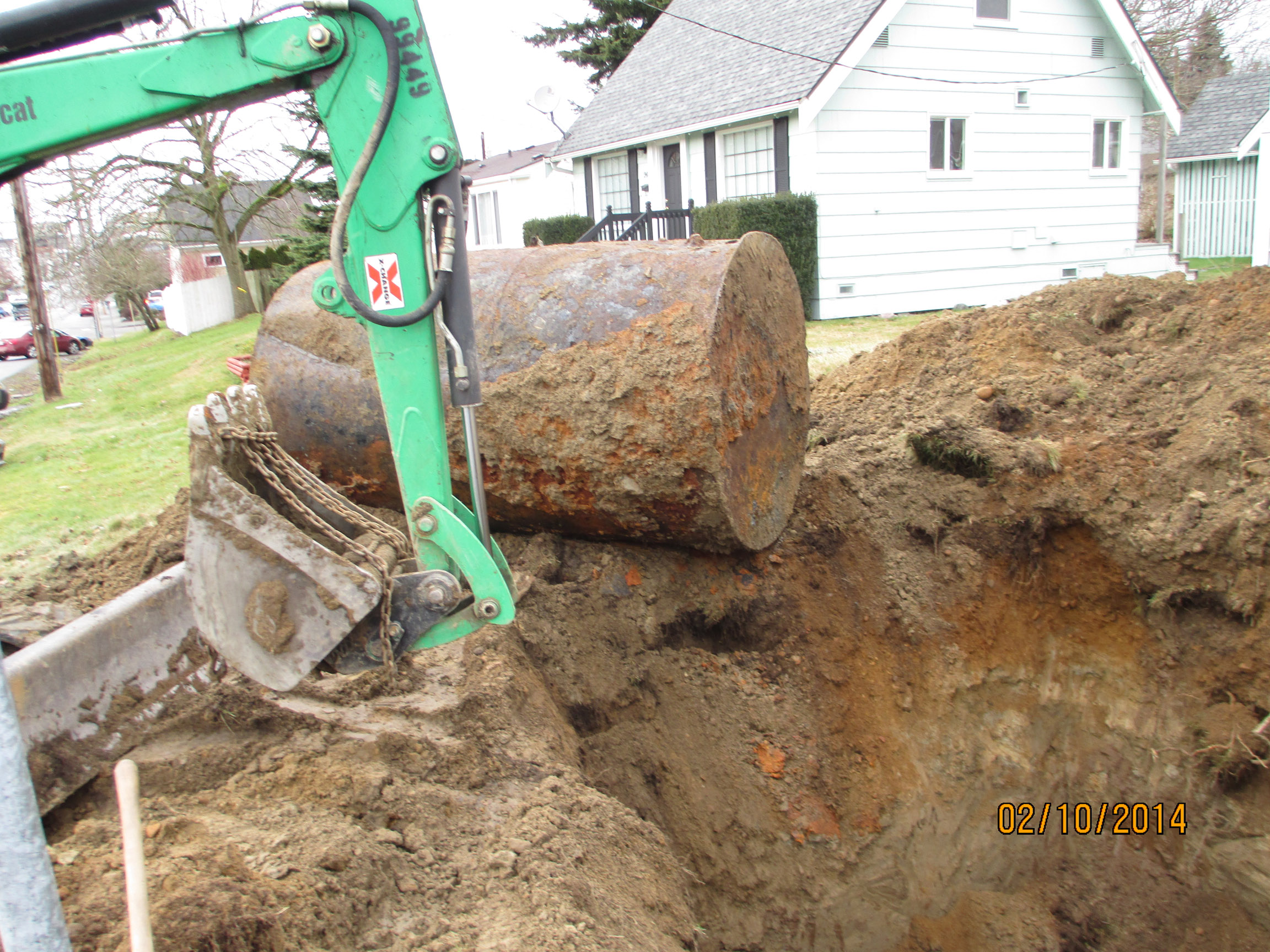
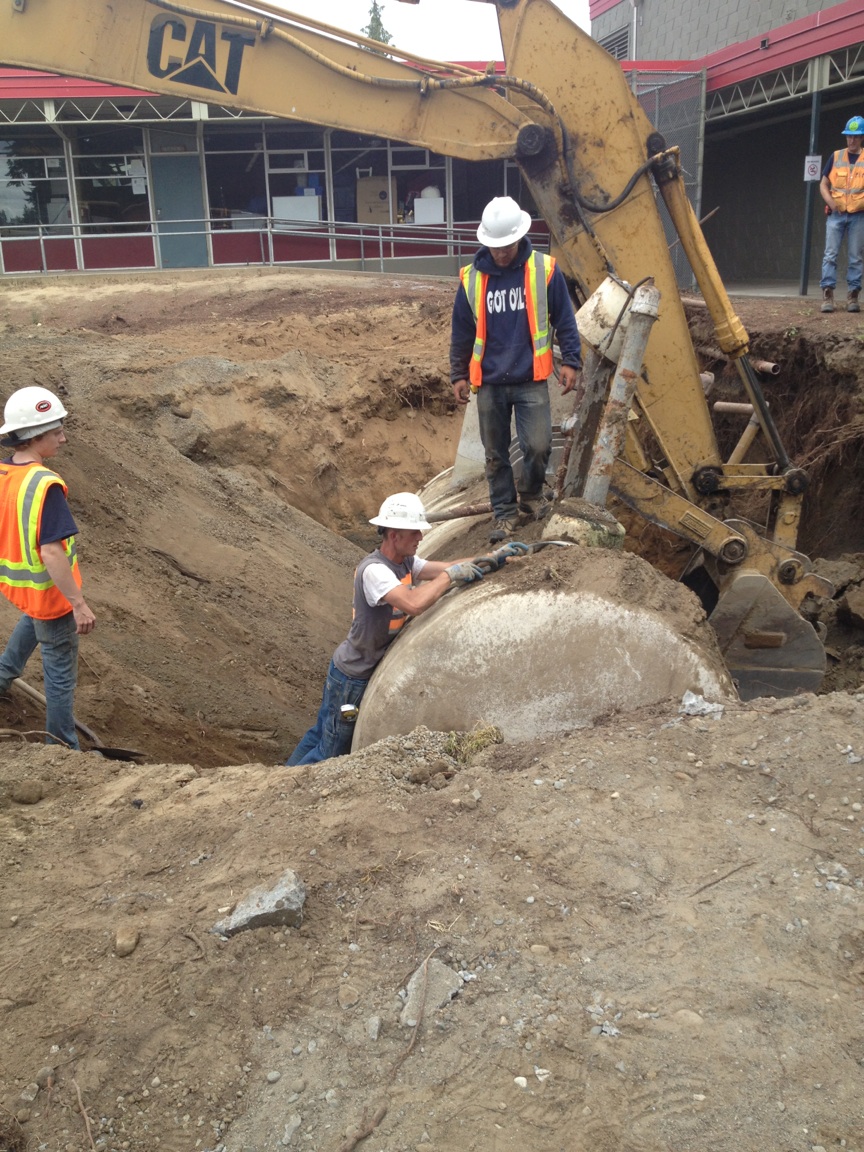
During the removal, the tank is excavated, and any remaining oil is properly disposed of according to local regulations. After the tank is removed, soil testing may be conducted to check for contamination. If contaminants are found, further remediation may be necessary to ensure the site is clean and safe.
How Tanks by Dallas Can Help
Tanks by Dallas specializes in oil tank removal in Seattle, offering a comprehensive range of services tailored to meet the needs of homeowners and businesses alike. With years of experience in the industry, they understand the unique challenges and regulations associated with oil tank removal.
Expertise in Oil Tank Removal in Seattle
The team at Tanks by Dallas consists of trained professionals knowledgeable about local regulations and best practices for oil tank removal. Their expertise ensures that the process is conducted safely, efficiently, and in full compliance with environmental laws.
Additionally, their experience allows them to foresee potential complications during the removal process, enabling them to take preemptive measures to avoid delays and extra costs. Whether you have an old, leaking tank or one that needs removal for a property sale, Tanks by Dallas has the skills to handle the job expertly.
Customer-Centric Approach
Tanks by Dallas prides itself on its customer-centric approach, emphasizing communication and transparency throughout the removal process. From the initial consultation to the final inspection, they keep clients informed and involved, providing peace of mind during what can be a stressful process.
They offer detailed estimates upfront, ensuring no hidden fees surprise clients later. Their commitment to customer satisfaction has earned them numerous positive testimonials from homeowners and businesses alike.
Testimonials and Success Stories
Many clients have shared their success stories with Tanks by Dallas, highlighting the professionalism and efficiency of their services. One client reported, The team was thorough and kept me informed every step of the way. They made a potentially overwhelming process much easier. Such testimonials reflect the company’s dedication to providing top-quality service and ensuring a seamless removal experience for every client.
Conclusion
In conclusion, the removal of oil tanks is a crucial task for property owners in Seattle, with implications for environmental health, property value, and personal safety. Understanding the laws and options available for removal can empower homeowners to make informed decisions.
With professional services like Tanks by Dallas, property owners can ensure that their oil tank removal is handled with expertise and care, ultimately leading to a safer, more valuable property. By taking action now, property owners can protect their investment, the environment, and their community.
FAQs
What should I do if I suspect my oil tank is leaking?
If you suspect your oil tank is leaking, it’s crucial to act immediately. Contact a professional oil tank removal service to assess the situation. They can conduct a leak test and advise you on the next steps, including remediation if necessary.
How long does the oil tank removal process take?
The duration of the removal process can vary depending on several factors, including the tank’s size and location. Generally, the process can take anywhere from a few hours to a couple of days, especially if remediation is required.
Are there any financial assistance programs for oil tank removal?
In some cases, there may be financial assistance programs available for oil tank removal, especially for low-income households or properties located in certain areas. It’s advisable to check with local environmental agencies or nonprofit organizations for available resources.
Do I need a permit for oil tank removal?
Yes, a permit is typically required for oil tank removal in Seattle. It’s essential to obtain this permit before beginning any removal work to ensure compliance with local regulations.
What happens to the soil after the tank is removed?
After the tank is removed, the soil will be tested for contamination. If contamination is found, further cleanup will be necessary to ensure the site is safe for future use. This may involve removing contaminated soil and replacing it with clean fill.